PBD India › What Travelled › 15,100 km
15,100kmCalcutta to Georgetown, straight line, rounded
The Kitchen as the First Institution
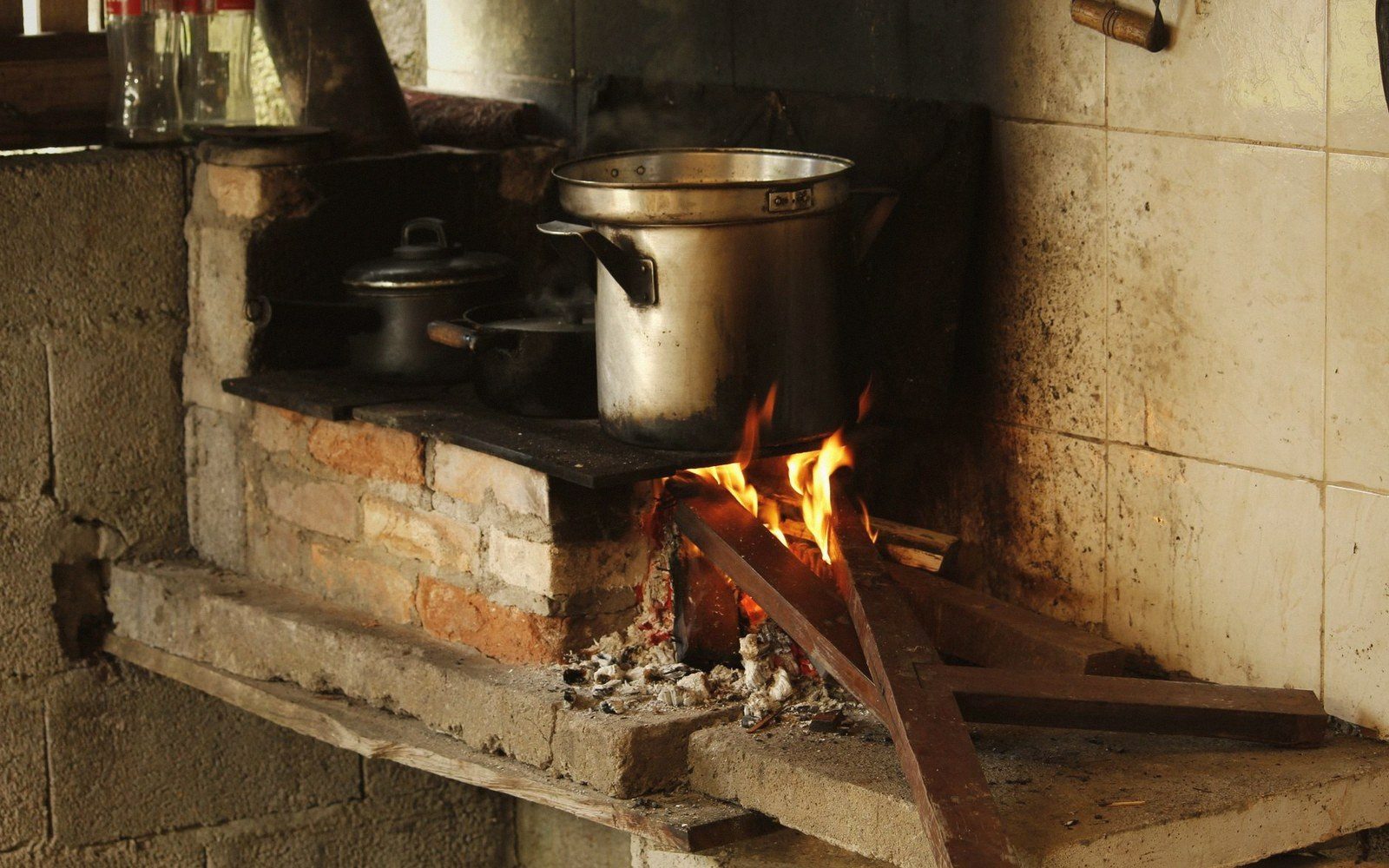
Before the temple was built, before the school opened, before the association had a name — someone was already cooking.
What Crossed the Water
The indentured worker who stepped off a ship in Natal in 1860 or Trinidad in the 1870s carried almost nothing that could be inventoried. The colonial authorities recorded caste, district, age estimate, physical marks. They did not record the knowledge of how to cook dal, which spices a woman had folded into a cloth bundle, or what her household had used turmeric for besides food. These things crossed anyway.
Food practices are among the most durable forms of cultural transmission — harder to prohibit than language, harder to see than religion — and so they survived conditions that stripped away much else. In the barracks of British Guiana and the lines of Natal, the kitchen, such as it was, became the first site where a community began to reconstitute itself. It predated every formal institution because it needed no permission.
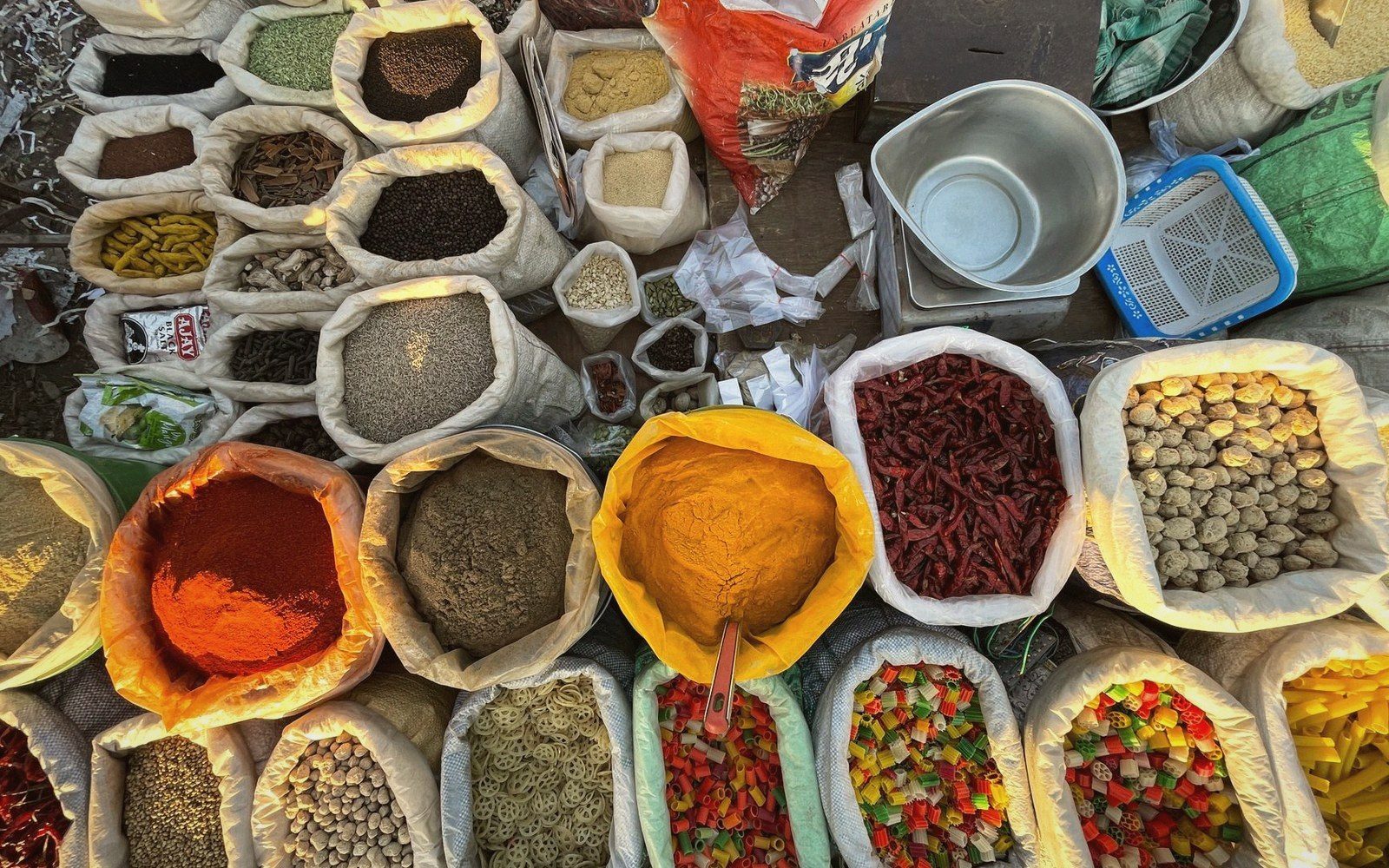
What reconstitution meant in practice was substitution. The ingredients of the subcontinent were not available in Demerara or Durban. Cooks worked with what the new land produced, and the substitutions they made — documented faintly in estate records, more legibly in later cookbooks and oral histories — are among the clearest historical evidence of where a migrant community actually came from.
Reading the Substitutions
Bhojpuri-speaking migrants who had used taro in Bihar found something close in dasheen in Trinidad. Tamarind, when unavailable, was replaced with the souring agents of each local environment — bilimbi in some parts of the Caribbean, green mango where it grew. These were not arbitrary swaps; they followed a logic of flavour function that the cook held in memory. The dish changed, but the structural knowledge — sour, heat, fat, aromatic base — remained.
Less contested is the structural fact: a community adapted its cooking to a bread-based environment and produced something with no exact analogue anywhere else.
In South Africa, the communities that arrived as indentured workers and later as traders built a food culture that was in permanent negotiation with Zulu and Malay influences, with the produce of KwaZulu-Natal, and with what could be imported and afforded. The bunny chow — a hollowed loaf of bread filled with curry — is the most cited product of this negotiation, though the precise origin story remains contested. Less contested is the structural fact: a community adapted its cooking to a bread-based environment and produced something with no exact analogue anywhere else.
Leicester's Indian communities, arriving from East Africa from the early 1970s onward, brought a food culture that was already once-displaced — Gujarati in origin, reworked across a generation or more in Uganda and Kenya, then reworked again for British ingredients and the narrower budgets of new arrivals. Here the historical layering is visible: a single recipe carries the logic of three geographies, and the ingredient list is itself a kind of migration record.
Evidence in the cooking
From the record
| Ingredient substitution | the practice of replacing an unavailable ingredient with a locally available one that performs the same flavour function; documented in cookbooks, oral histories, and estate records |
|---|---|
| Dasheen for taro | a documented substitution in Caribbean communities of Bhojpuri-speaking origin |
| Bilimbi as souring agent | used in some Caribbean contexts in place of tamarind |
| Bunny chow | bread-loaf curry of KwaZulu-Natal; origin story contested, structural logic clear |
The Institution Before the Institution
What the kitchen did that no association could replicate immediately was provide a daily, ungoverned practice of cohesion. People ate together, or cooked for each other, or recognised in someone else's pot the smell of a region of India they also knew. In contexts where communal identity was under constant pressure from the plantation system, from legal discrimination, from the sheer fact of dispersal, food operated as a connective tissue that required no committee, no subscription, no building.
This also meant it was gendered labour, and largely invisible labour, and that the women who carried and reproduced this knowledge were rarely the people who later founded the association or built the temple. The institutions that got named and dated were built on a substrate of daily practice that left thinner records and received less credit.
The archive of what travelled is therefore incomplete in a specific way: it over-represents the formal and under-represents the domestic. The kitchen preceded everything, fed everyone, and adapted without being asked to. Its record is in the flavour logic that persists across a hundred and sixty years and five ocean crossings — not in any founding minute.
Migration layers visible in one recipe
From the record
This entry is history and context. It is not advice about immigration, visas, citizenship, residence, tax or money, and it must not be used that way. Where accounts differ, the entry says so.
Near this on the scale
What Travelled