Proximity as a Kind of Invisibility
The standard map of Indian diaspora history runs outward — to Mauritius, to Natal, to Trinidad, across the Pacific to Fiji, eventually to Britain and North America. The communities closest to the subcontinent barely appear in it. Tamil estate workers in Sri Lanka and Indian-origin communities in Myanmar were separated from India by a short sea crossing, yet that nearness produced a particular administrative cruelty: because return seemed theoretically easy, it was made legally convenient. Neither community was fully absorbed into the country where they laboured, and neither was truly welcomed back.
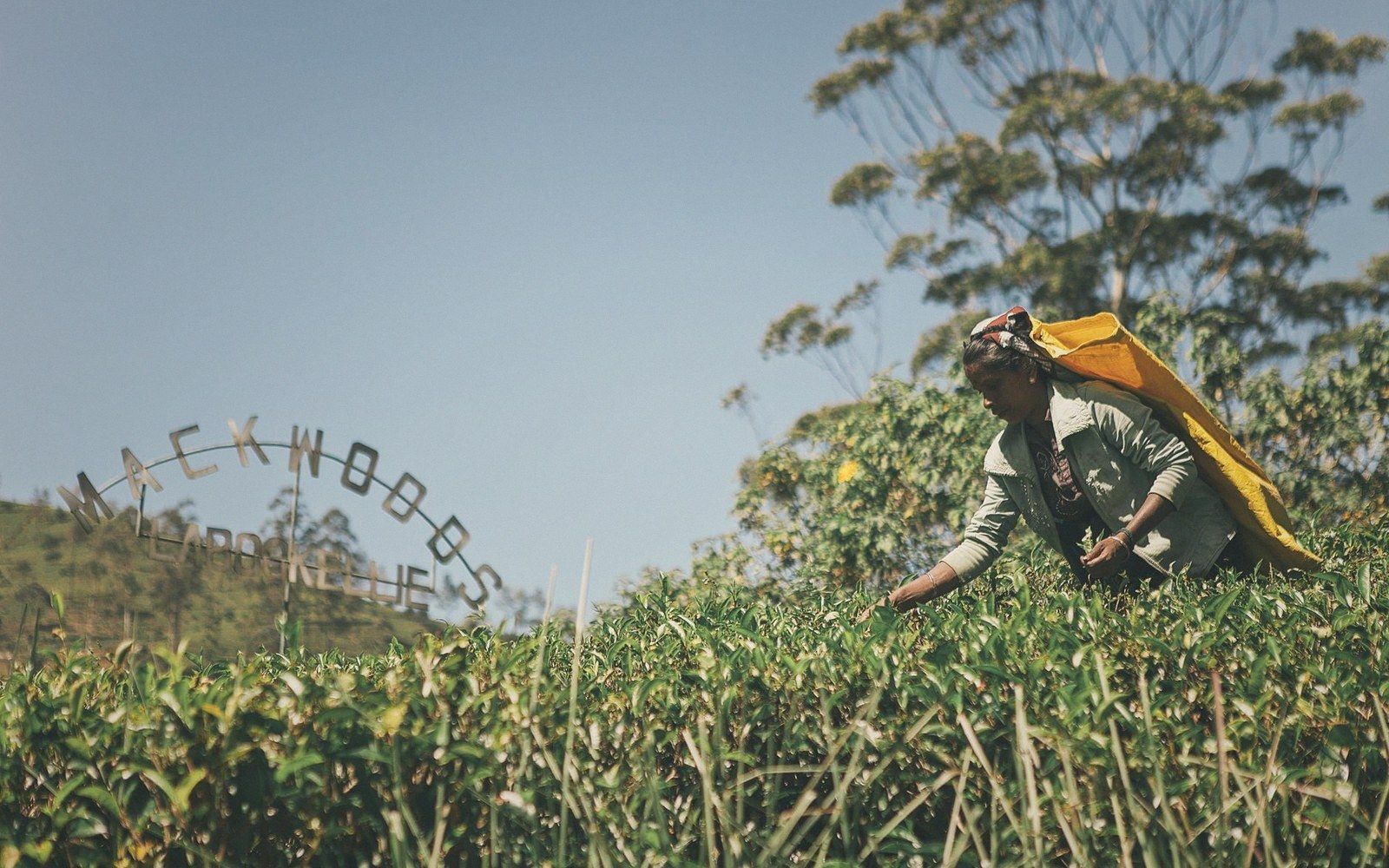
Plantation Tamils arrived in Ceylon under the kangani system — a Tamil word for the recruiter-supervisor who brought workers from South India to the tea and rubber estates of the hill country. By the time Ceylon became Sri Lanka in 1972, these workers had been on the island for four and five generations, yet the Citizenship Act of 1948 had already rendered the majority of them stateless. The 1964 Sirima-Shastri Pact negotiated the fate of roughly a million people between two governments, apportioning them like an administrative problem. Many remained in legal limbo for decades afterward.
In Burma, Indian migrants — traders, moneylenders, labourers, government servants — had settled under British colonial administration in large enough numbers to constitute a visible urban presence in Rangoon. After independence and particularly after the military takeover of 1962, they faced systematic expulsion. An estimated three hundred thousand people of Indian origin left Burma in the years following 1962, most returning to a subcontinent that had no particular structure in place to receive them.
What links both cases is the logic of proximity. Because the crossing was short, the colonial administration never treated these migrations as permanent settlement deserving protection. Because return was conceivable, statelessness was legislatable. The Indian diaspora record tends to honour distance as a measure of sacrifice; the communities nearest home paid a cost the record has been slow to name.
Key moments in the record
From the record
| 1948 | Ceylon Citizenship Act strips most plantation Tamils of citizenship |
|---|---|
| 1962 | Military coup in Burma triggers waves of expulsion of Indian-origin residents |
| Estimated 300,000 people of Indian origin left Burma following the 1962 takeover | |
| 1964 | Sirima-Shastri Pact divides approximately one million stateless people between Sri Lanka and India |
| 1972 | Ceylon renamed Sri Lanka; constitutional changes deepen Tamil marginality |
Terms worth glossing
From the record
| Kangani | Tamil term for the recruiter-supervisor who sourced and managed plantation labour; distinct from indenture but similarly coercive |
|---|---|
| Statelessness | the legal condition of holding no recognised citizenship; both communities experienced it administratively, not by accident |
This entry is history and context. It is not advice about immigration, visas, citizenship, residence, tax or money, and it must not be used that way. Where accounts differ, the entry says so.
Near this on the scale
Settling