PBD India › Departures › 9 km
9kmCalcutta to Garden Reach, straight line, rounded
The Depot Before the Dock
The holding depots at Calcutta and Madras were the last Indian earth most indentured workers ever touched — and the records kept there tell two stories at once.
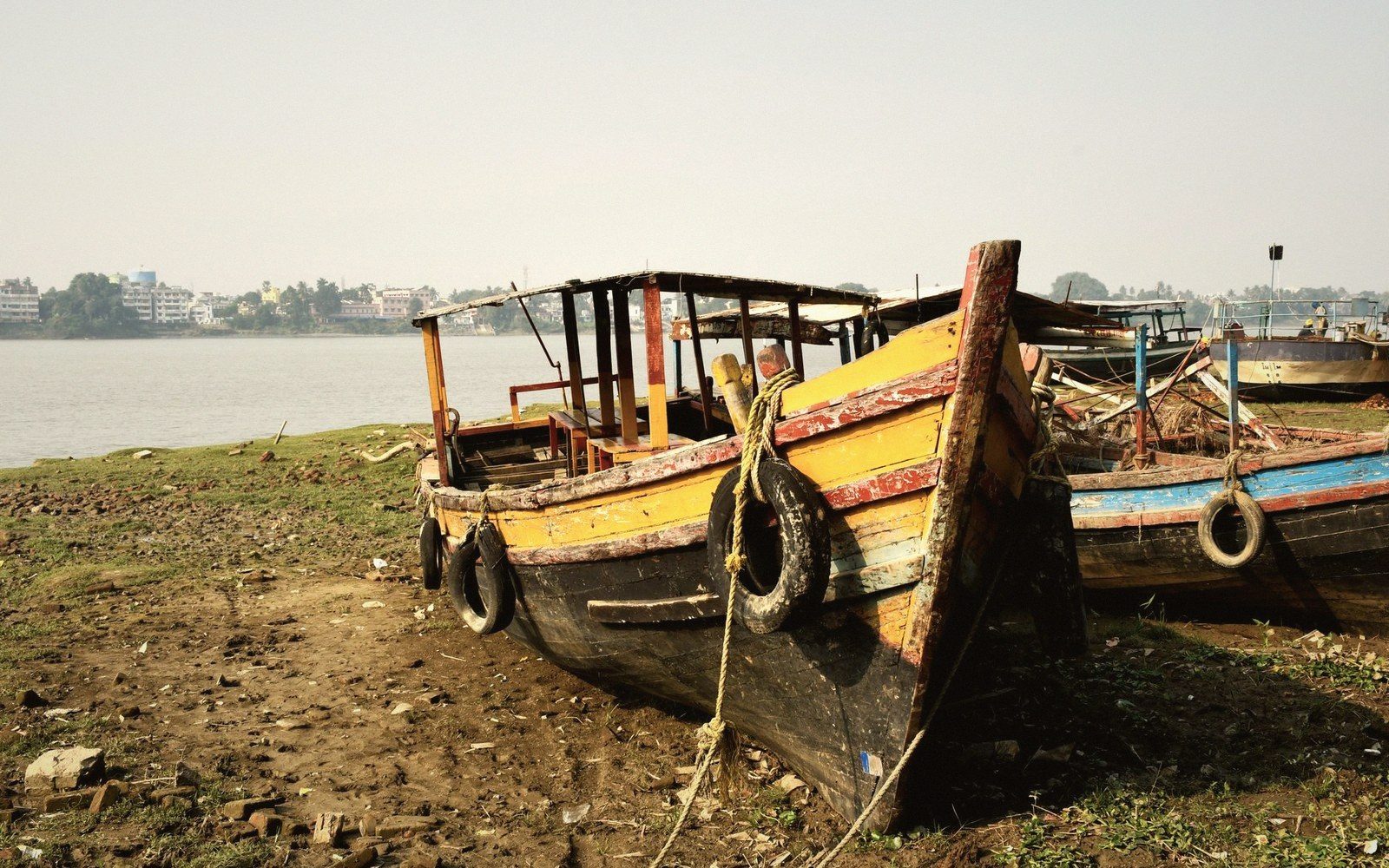
A Managed Pause
Between the recruiter's village and the ship's manifest lay a period that colonial administrators called the depot stay — weeks, sometimes more than a month, spent in a holding compound before embarkation. The most significant of these was Garden Reach, a depot on the southwestern edge of Calcutta where the Hooghly River bent toward the sea. A corresponding facility operated at Madras for workers recruited from the south. Together they processed the great majority of the roughly 1.3 million indentured Indians who left for the sugar colonies between the 1830s and 1917, when indenture was formally abolished.
The depots were not prisons in any legal sense, but departure from them was not freely permitted. Workers who arrived from upcountry — from Bhojpur, Awadhi-speaking districts, the famine belts of what is now eastern Uttar Pradesh and Bihar — entered a compound where they were registered, medically examined, fed at colonial expense, and held until a ship was ready and its numbers confirmed. The logic was administrative: the colony paying for passage needed bodies it could count on arrival, and the Emigration Agent needed to ensure that each recruit had formally consented before a magistrate before boarding.
That magistrate interview — conducted through interpreters, often rushed, often formulaic — was the pivot on which the whole legal fiction of voluntary indenture rested. The worker was asked, in standardised terms, whether they understood the contract and went willingly. The answer recorded in the registers is almost always affirmative. What the registers do not record is the context in which that answer was given: a person who had walked for days or been transported from a distant district, who had already been advanced money by a recruiter, who had no legal means of reclaiming that advance and returning home, and who was surrounded by depot staff with a financial interest in embarkation.
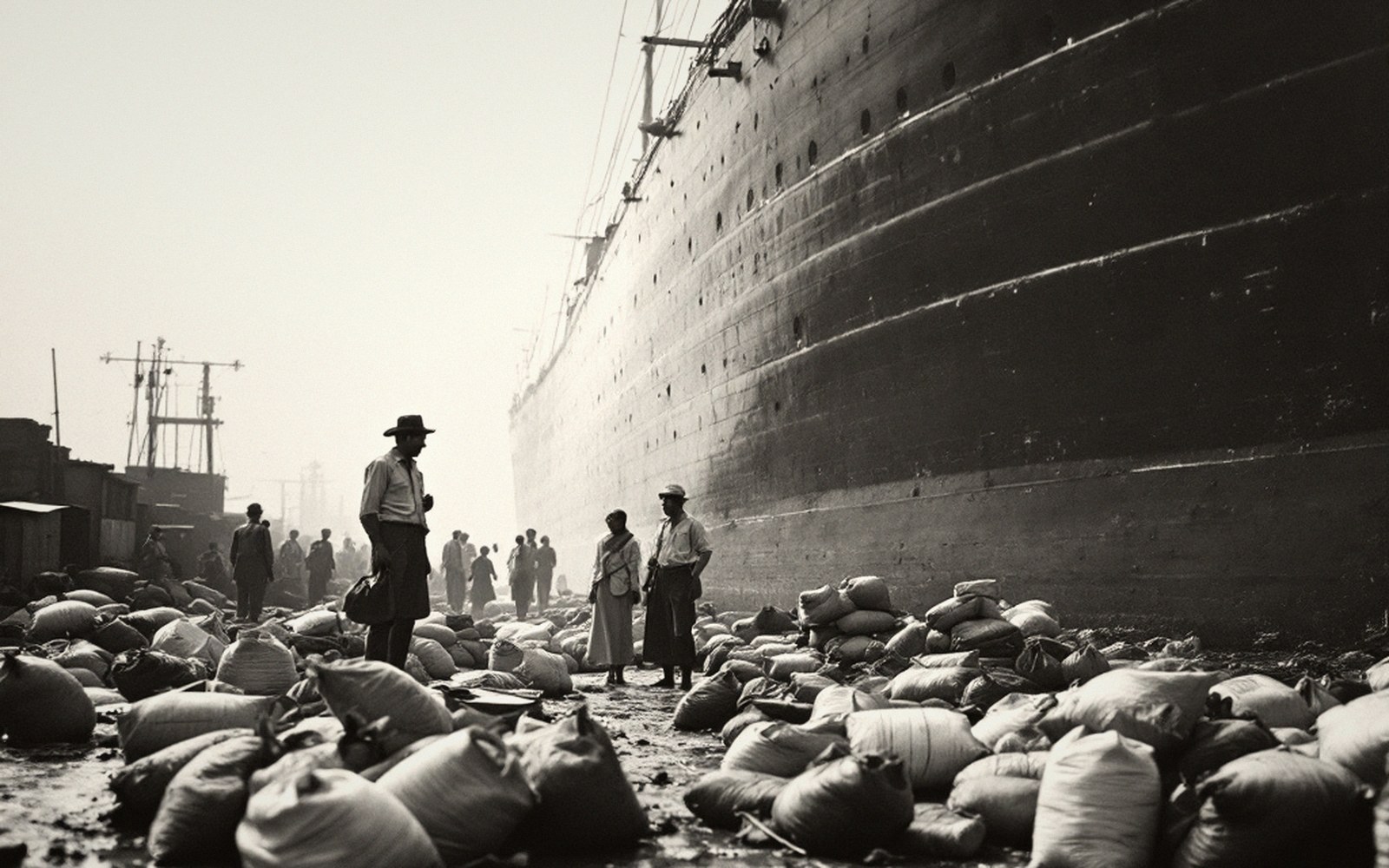
What the Records Reveal, and What They Do Not
The depot registers that survive in archives — at the West Bengal State Archives, the Tamil Nadu State Archives, and in the receiving colonies' own records — are meticulous about certain things. They recorded name, sex, approximate age, caste column, district of origin, physical description (height, distinguishing marks, visible injuries), and the name of the arkatti or recruiter who had brought the worker in. They recorded the date of medical inspection and its outcome, the name of the inspecting surgeon, and the date of the magistrate's declaration. They recorded the ship assigned and the depot number that would follow the worker across the ocean.
The depot registers that survive in archives — at the West Bengal State Archives, the Tamil Nadu State Archives, and in the receiving colonies' own records — are meticulous about certain things.
What these documents do not contain is harder to reconstruct. There is almost no record of workers who refused at the depot stage and were released — though such refusals did occur. There is no systematic recording of illness acquired during the depot stay itself, which could be considerable: dysentery moved through overcrowded holding compounds, and workers who arrived healthy sometimes died before embarkation. The surgeon's pass was a gate, not a guarantee, and the pressure to clear numbers before a ship's sailing date created incentives to pass workers who were marginal cases.
Missionary observers and, later, Protectors of Emigrants appointed after reformist pressure filed reports that occasionally break through the official optimism of the registers. These accounts describe crowded sleeping arrangements, inadequate cooking facilities for the range of dietary observances the workers brought with them, and confusion among people who had never left their districts before and did not understand where they were going or for how long. The five-year contract, explained in the magistrate interview, was not always legible as five years to someone who had no experience of industrial time in that sense. The distance to Demerara or Natal was, for most, genuinely inconceivable.
Key stages of the depot process
From the record
- Arrival and registrationname, caste column, district, recruiter's name recorded on intake
- Medical inspectionconducted by a colonial surgeon; outcome determined embarkation eligibility
- Magistrate's declarationthe formal consent interview on which the legal status of "voluntary" indenture depended
- Ship assignment and numberingworkers allocated to vessels and issued the depot number carried into colonial records
- Embarkationtransfer to the ship, typically by lighter (small boat) along the Hooghly or Madras roads
The Gap Between Processing and Passage
The weeks at the depot were not idle for the colonial machinery. Workers were vaccinated. They were issued clothing — a depot kit that was the first standardised garment many had worn. They were grouped by ship number and, in theory, by some consideration of caste and district compatibility, though the practical demands of filling a ship overwhelmed any such sorting. The depot was, in this sense, the first moment of the mixing that would produce Fiji Hindi and the composite plantation cultures of the sugar colonies — people from mutually unintelligible dialect communities sitting in the same compound, cooking arrangements improvised, hierarchies beginning to dissolve under the flat category of "coolie."
The ship's manifest, which began at Garden Reach, was in many respects the depot's final product: a document that translated a human population into a numbered list. The depot made that translation possible by standardising what had arrived — assigning numbers, confirming identities, recording measurements. In doing so, it also performed an erasure. The district, the village, the family connection, the particular reason a person had ended up in a recruiter's hands — all of that compressed into a row on a ledger. The ledger crossed the ocean. The rest, mostly, did not.
Where records survive
From the record
| West Bengal State Archives, Calcutta | principal repository for Garden Reach depot registers |
|---|---|
| Tamil Nadu State Archives, Chennai | holds Madras depot records and emigration correspondence |
| Receiving-colony archives (Trinidad, Fiji, Mauritius, Natal, British Guiana) | depot numbers re-appear in arrival manifests, enabling cross-referencing |
This entry is history and context. It is not advice about immigration, visas, citizenship, residence, tax or money, and it must not be used that way. Where accounts differ, the entry says so.
Near this on the scale
Departures